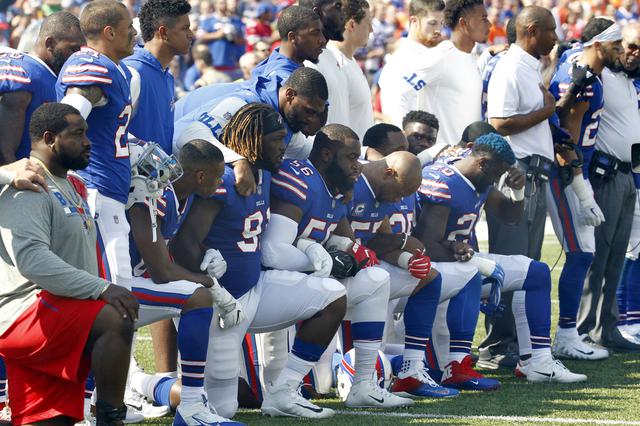
There’s been activism in athletes since sports were invented, with everything from protesting chariot races in Constantinople, to the first woman to run the Boston marathon, to more recently, Colin Kaepernick taking a knee during the anthem. These people have used their position to stand up against injustices, and make themselves recognized because they felt like they could, and felt like they needed to.
It’s their consitutional right to protest and speek freely in defense of their rights, and yet, they’ve faced so much opposition from the community and from society for standing up against injustice. Audiences have a lot of expectations for the people their idols: actors, athletes, and musicians are all supposed to behave in accordance with society. Being politically active as a celebrity isn’t always appreciated, especially when those agendas are liberally progressive.
Jackie Robinson was one such athlete. He spoke about racism in America and attended civil rights protests. The people around him, sportwriters and other players, saw him as too angry and too vocal. He felt like because he felt such success, he had an obligation to lift up the under-represented members of his community. For Muhammad Ali, opposing the Vietnam war stripped him of his heavyweight boxing title. Politicians and and sportswriters criticized his protest of the draft. Kareem Abdul-Jabbar followed with Ali and protested the Olympics as a basketball player, and he faced a lot of racist condemnation from the American people.Those in entertainment who use their standing and their first amendment to protest to a wide audience sometimes face more criticism than politicians and activists might. Risking social standing and facing criticism for political justice is a heavy and worthwhile weight, particularly for athletes who have come great distances on their own and want to help others reach success as well.


No comments:
Post a Comment
Note: Only a member of this blog may post a comment.