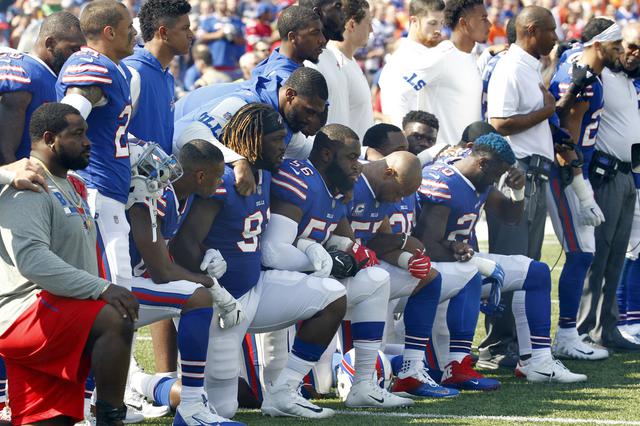
What is the bystander effect? The bystander effect is a social psychological claim that individuals are less likely to offer help when to a victim when more people are present. Whether we like to admit or not, everyone has probably been subject to the bystander effect. In our day to day life, we witness bystanders all the time. These people don't mean to be a bystander necessarily, but they also don't take action to help others. Sometimes, it's as simple as helping out an old lady cross the street, or stopping a bully picking on an underclassman. People don't take action because they believe someone else will do it for them. They look around and see many people roaming about and presume one of them will help out this old lady or confront that bully. But with this mindset, in the end, that victim doesn't get any help. This is seen with Kitty Genovese. She was in a dangerous situation and nobody came to help her. The people who heard and saw what was happening assumed that someone else would call the police or run down and help Kitty, so they didn't do anything.
People are victims to the bystander effect for many reasons, but one reason is that people are scared. Even if they are helping others, they are afraid that they might get hurt or even blamed for trying to do the right thing. This mentality causes people to stand by and watch horrible things happen. Also, this can sometimes cause guilt because the person knew they could have helped, but chose to do nothing. It ends up being a vicious cycle because people feel bad that they could have helped, but every time something dangerous happens, they stand back.
Starting in elementary school, we learn the importance of being an up-stander rather than a bystander. Being an up-stander is not hard to do at all, yet we fail every day. I believe that it is so important for people, of all ages, to engage in at least one act of kindness a day. By doing helpful things to other people, it creates a mindset where people are much more likely to engage in being an up-stander. When people normalize helping others without any gain, the world ends up being a much better place. These acts could be as simple as holding a door for someone or even just volunteering to help another person. As people start to get used to helping others, the number of people victim to the bystander effect will go down because more people are likely to help.
Hopefully, with that in mind, people will stop being a bystander and start being an up-stander.